The 8-Week Vacation Planning Timeline That Works in 2026

Most travel stress is not caused by the destination. It is caused by decisions made late. Flights get expensive, the good rooms disappear, and the final week turns into a series of panicked tabs. An eight-week timeline is long enough to get the important things right and short enough to stay focused.
The exact number of weeks matters less than the order. Do the irreversible things first, the cheap things second and the packing last. That way a change of plan costs you a little rather than everything.
Weeks 8 to 7: decide the shape of the trip
Before you search for flights, agree on the non-negotiables: dates, total budget, who is coming and how much moving around you want. Write them down. A trip with three cities in seven days is a different project from one base with day trips, and mixing the two in your head leads to an itinerary that looks good on paper and is exhausting in practice.
Check the season and any major events at the destination. A festival can be the reason to go or the reason to avoid the week, but you want to know before you book. Look at school holidays in both countries, because they move prices more than almost anything else.
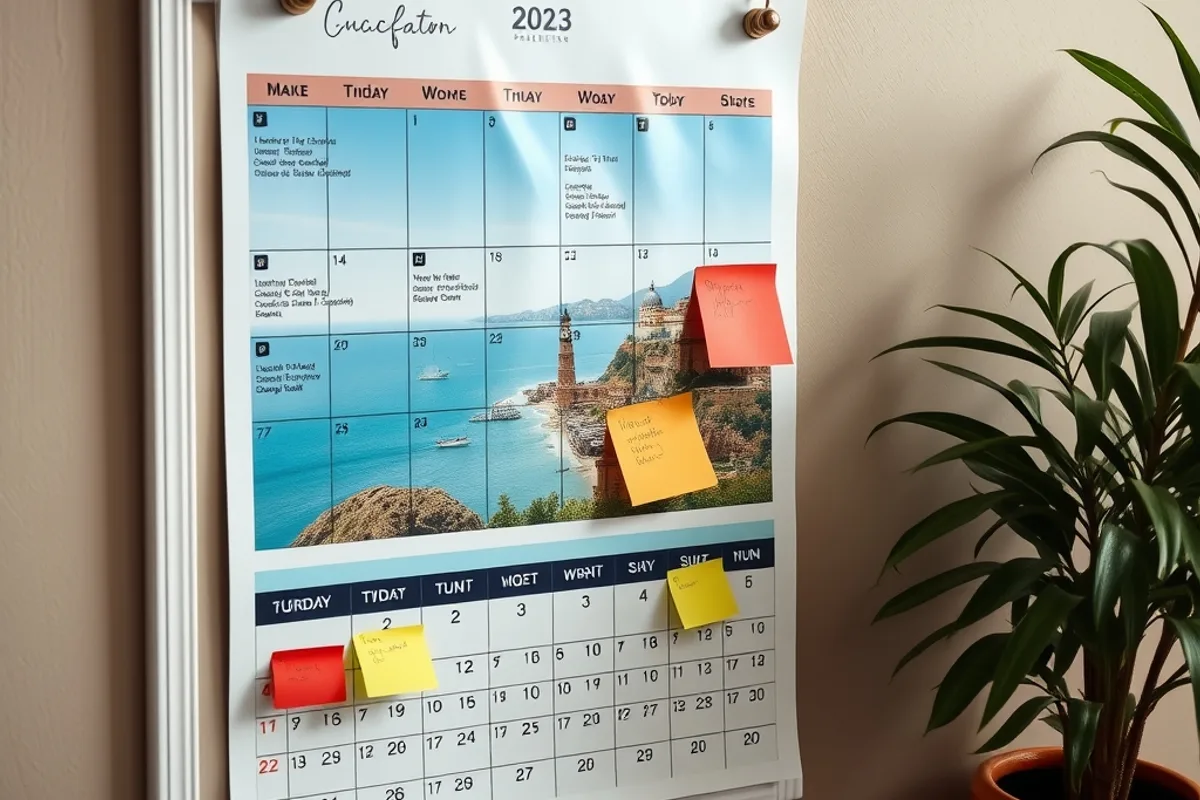
Weeks 6 to 5: book the expensive, fixed parts
Book long-distance transport and the first and last night's accommodation first. Those are the parts where a mistake is costly and a change is difficult. If you are renting a car, book it now as well; prices rise closer to the date and the cheapest category sells out first.
For flights, compare the total journey, not just the fare. A cheap ticket with a long layover and an expensive airport transfer can cost more than a slightly pricier direct flight. Check the baggage allowance and the change fee before you pay. If the trip is not certain, buy the flexible option or wait.
Weeks 5 to 4: sort documents and cover
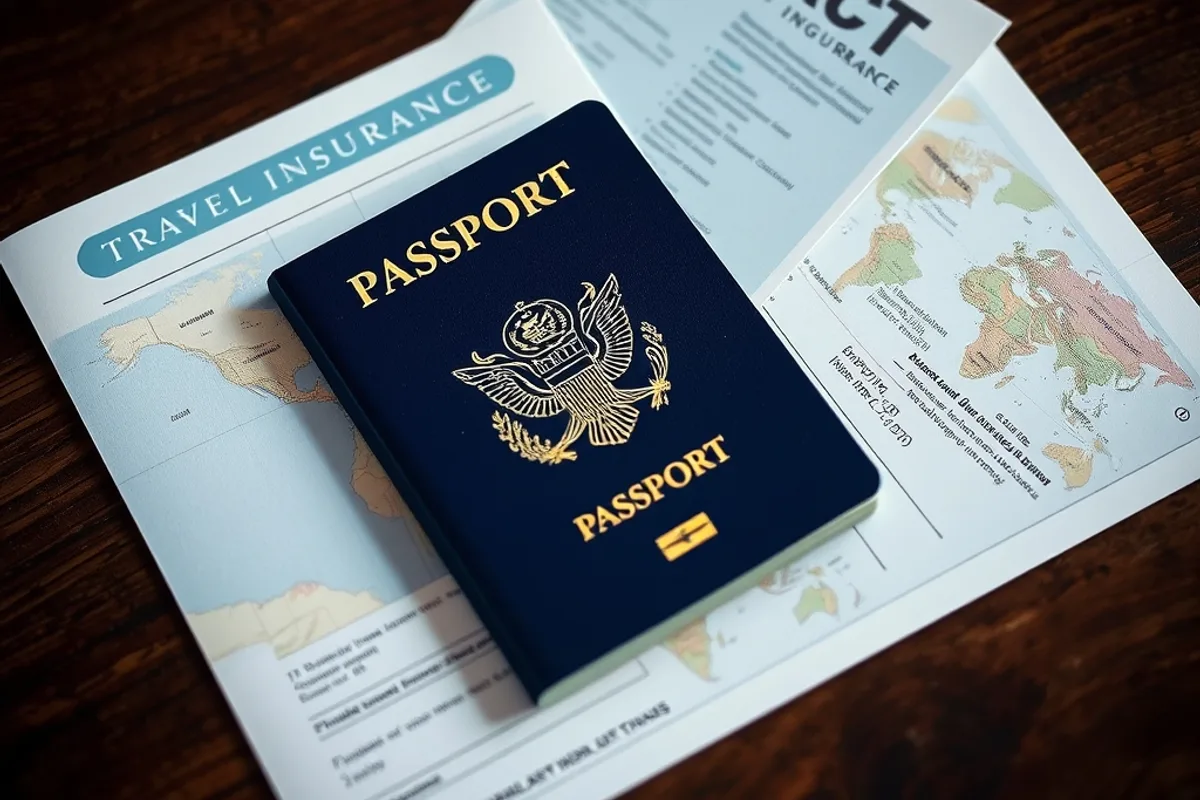
Check passport validity, visa requirements and any entry forms. Many countries require six months of validity beyond your return date. Apply for anything official now, because appointments and processing times are the one part of planning you cannot rush.
Buy travel insurance and read what it actually covers. Check the excess, the treatment of pre-existing conditions and whether adventure activities are included. Save the policy number and the emergency phone line offline, not only in an email. If you take prescription medicine, confirm the local rules and carry it in original packaging with a copy of the prescription.
Weeks 4 to 3: fill in the middle nights
With the fixed parts booked, choose the accommodation for the rest of the trip. Keep the number of different beds as low as the itinerary allows. Every hotel change costs half a day and some energy, and on a short trip that is a real price.
Book refundable or flexible rates where the plan might move. Read the cancellation deadlines in the hotel's time zone and put them in your calendar. This is also the moment to book the few experiences that genuinely sell out: a specific museum slot, a popular restaurant or a guided day trip. Everything else can wait.
Weeks 3 to 2: money, connectivity and a rough plan
Tell your bank you are travelling, check card fees and carry a small amount of local cash for the first day. Set up an offline map and download the transport app you will need. If you rely on your phone for tickets, screenshot the important ones as a backup.
Write a rough day-by-day outline with one anchor per day and plenty of space. The anchor might be a market, a walk or a booked tour. Do not schedule every hour. A good itinerary gives the trip a shape without turning it into a work project.

Week 1: confirm and prepare
Confirm every booking, especially the first transfer and the first night. Check the check-in time, the address and the phone number. Print or save the confirmations offline. Recheck the weather and adjust the packing list rather than the plan.
Pack light enough to carry your own bag up a flight of stairs. Lay everything out, then remove a third of it. Take a universal adapter, a small first-aid kit and a refillable bottle. Keep medicine, documents and a change of clothes in your carry-on in case the checked bag arrives late.
The night before and the first day
Charge everything, set two alarms and put your passport in the same pocket every time. Pack a small day bag for the flight with water, a snack, a charger and a layer. Check the airline's cabin rules one last time, because they change.
On arrival, resist the urge to do everything. Get to the hotel, walk the immediate neighbourhood, find a shop and eat something local. The first day sets the tone. A slow start usually makes the rest of the trip better.

What to do when the plan breaks
Something will change. A flight moves, the weather turns or a hotel cancels. The timeline is there to give you options, not to make you rigid. Keep the confirmation numbers together, know your insurance contact and remember that most problems are solved by asking the person in front of you.
Book the flexible rate, leave one unplanned day and carry a buffer in the budget. Those three choices absorb most of the surprises that would otherwise define the trip.
The bottom line
Eight weeks is enough to plan well without over-planning. Fix the dates and budget first, book the irreversible parts next, then documents, money and the middle nights. Confirm everything in the final week and pack less than you think. The goal is not a perfect schedule. It is a trip where the decisions were made early enough to enjoy the days.
For official guidance, see UN Tourism travel planning resources.
A plan is not a schedule. It is a list of decisions made early so the trip can be relaxed later.Sanjuana Herrero Editorial
We cross-check our advice against independent, official sources. For destination and tourism guidance see UN Tourism, and for live travel advisories check your government's foreign office before you book.