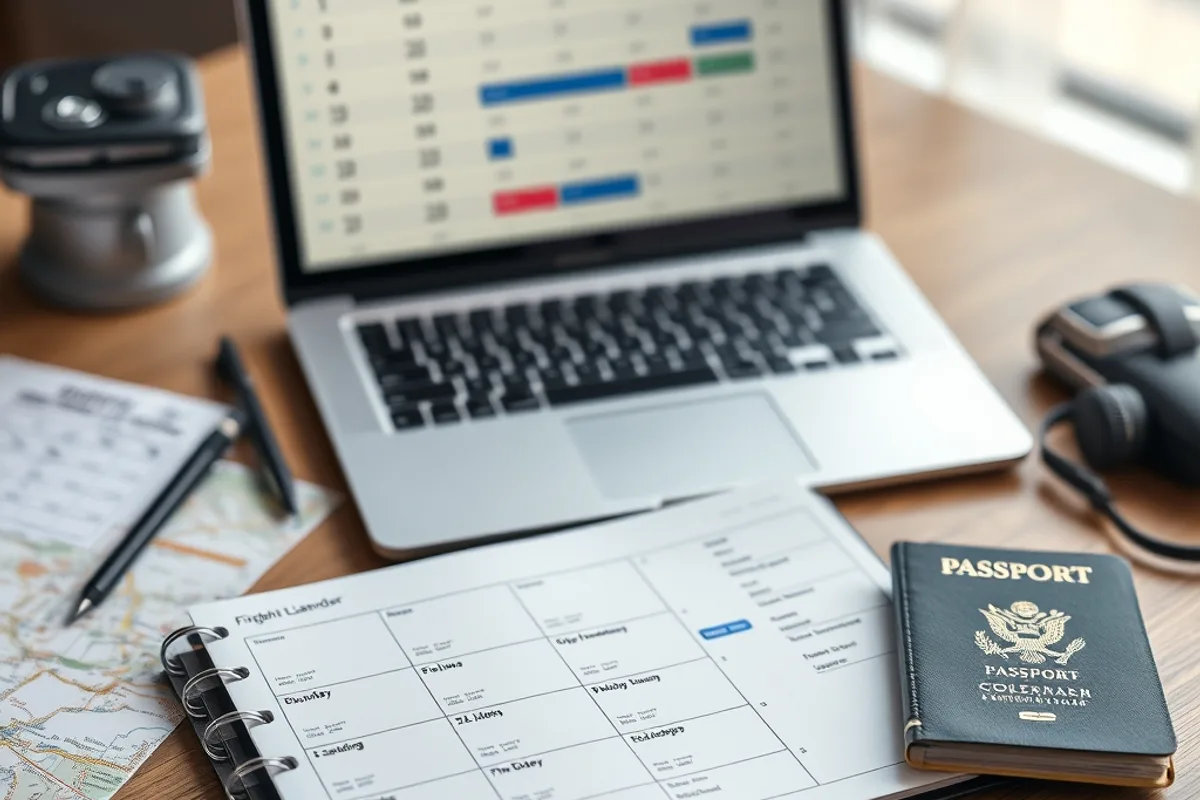
How to Build a Realistic Travel Budget Before You Book
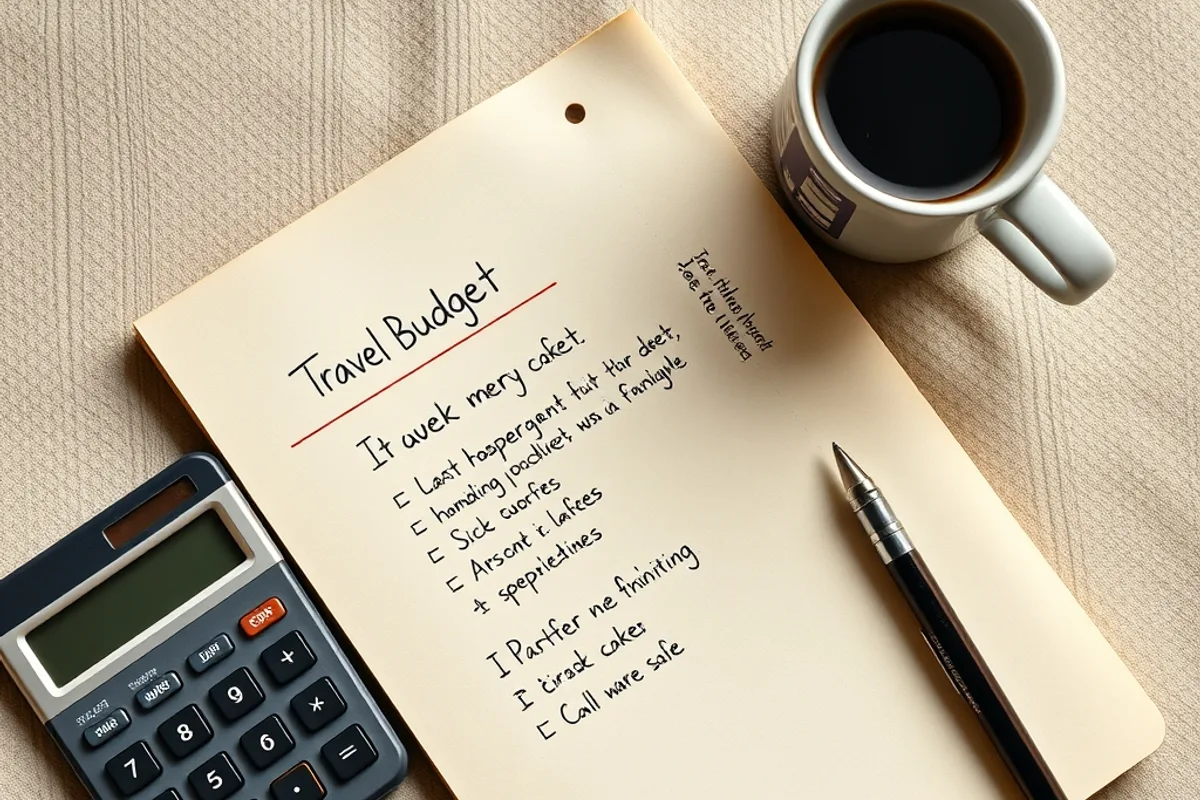
Almost every travel budget fails for the same reason: it is built from the prices you hope to pay rather than the prices you will actually pay. The flight is remembered, the daily spending is underestimated, and the small costs at the end arrive as a surprise. A realistic budget is not pessimistic. It is simply complete.
The good news is that you can build one before you book anything. It takes an hour, a notebook and a willingness to include the boring lines that most people leave out.
Start with the total, not the daily rate
Decide the maximum you can spend without borrowing or dipping into savings you need. That number is the ceiling, not a target. Subtract a buffer of ten to fifteen percent straight away. The remainder is what the trip can cost, and every line item has to fit inside it.
Then divide by nights to get a daily allowance. This is a sanity check, not a spending rule. A destination with an expensive flight but cheap food can still fit a modest daily rate. A cheap flight to an expensive city usually cannot. The daily number tells you which situation you are in.
Price the transport honestly
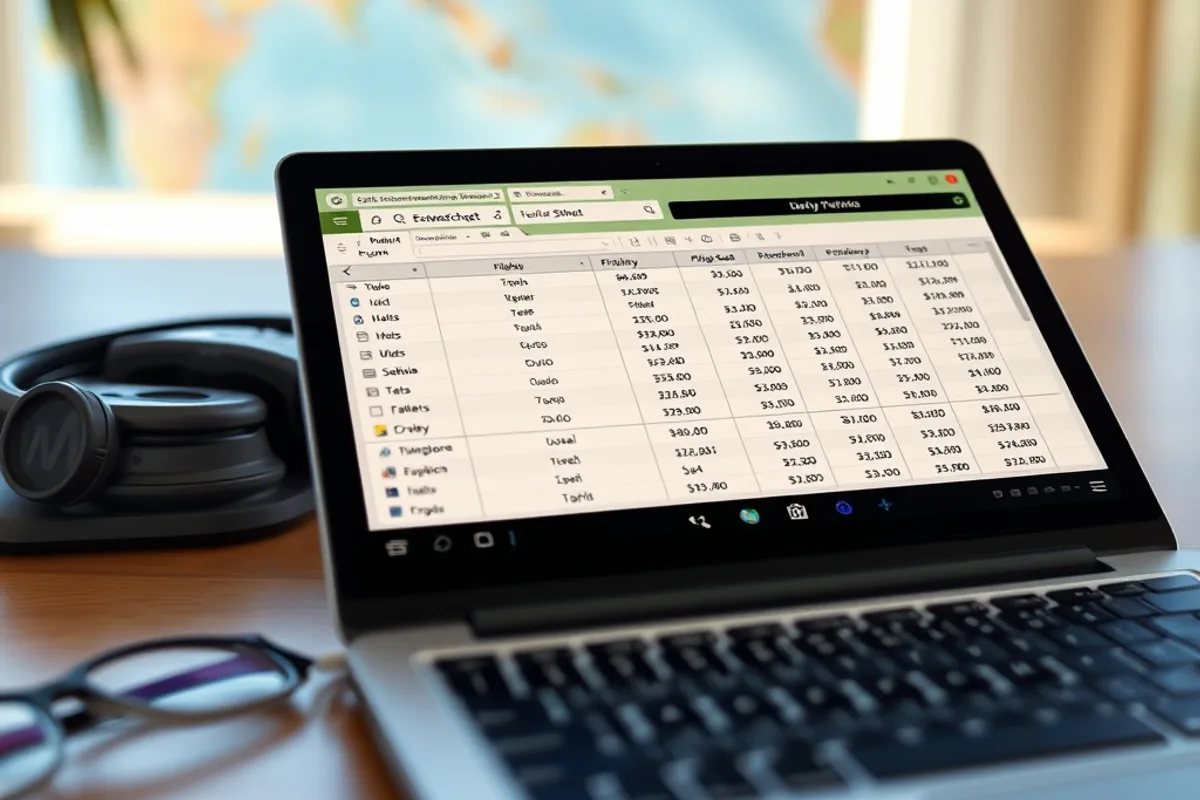
Include the whole journey: the flight, the baggage fee, the seat selection, the airport transfer and any train or bus at the other end. A fare that looks cheap can lose its advantage once you add a forty-dollar transfer each way. Check the arrival time too, because a late arrival may force an expensive taxi or an extra airport hotel night.
For multi-city trips, price the route as a whole rather than one leg at a time. Sometimes a different order of cities cuts the transport cost dramatically. Book the long legs first, then build the itinerary around them. That is the opposite of how most people plan, and it is usually cheaper.
Budget accommodation by room, not by bed
If you are travelling as a couple or a family, a private room often costs less than two beds in a dorm once you add breakfast and luggage storage. If you are solo, a hostel can be excellent value, but check the true price with taxes and any membership fee. Compare the total for the nights you need, not the nightly headline.
Include the city tax, the deposit and any resort or cleaning fee. These are real costs and they vary widely. Also budget for one comfortable night if the trip is long; a single bad bed can ruin three days. That is not indulgence, it is risk management.
Food is where budgets quietly break
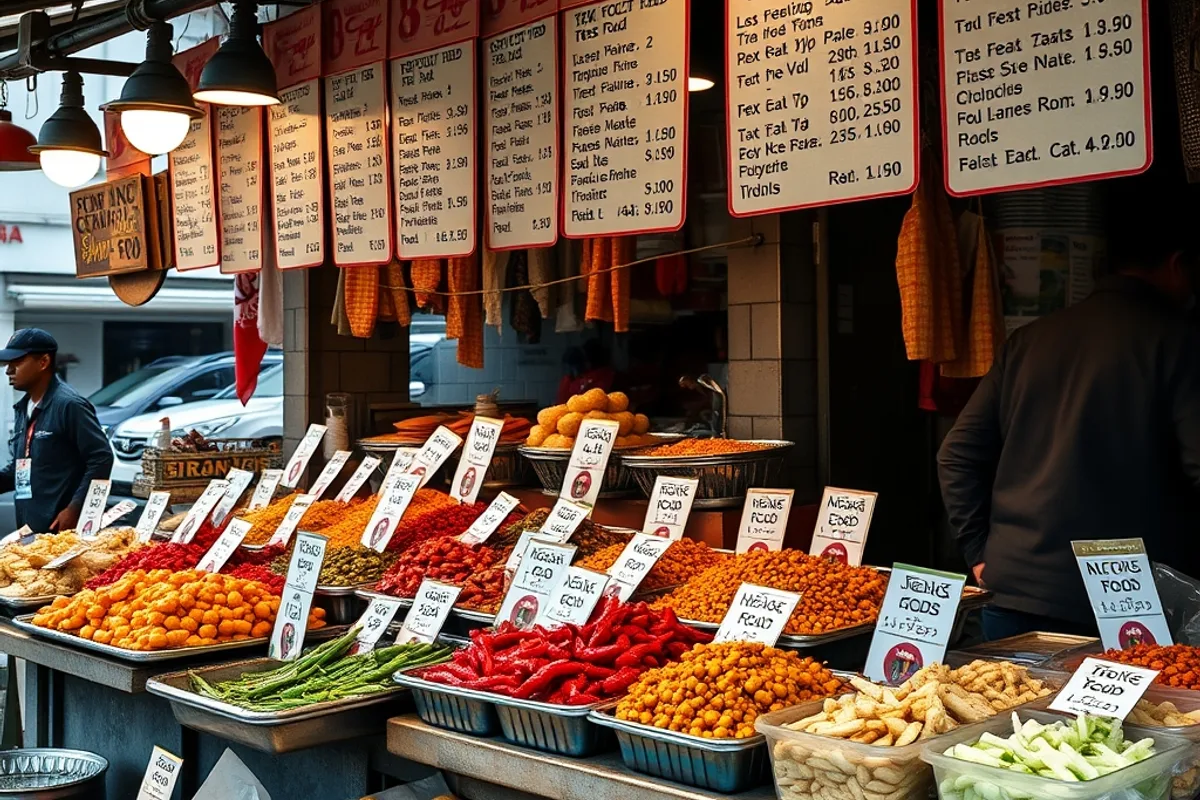
Most people underestimate food by thirty to fifty percent. Coffee, water, snacks and a sit-down dinner add up faster than three restaurant meals a day. Set a realistic daily food number based on how you actually eat at home, then adjust for the destination. If you love a long lunch, budget for it and cut somewhere else.
Decide in advance how many special meals you want. Two memorable dinners and simple breakfasts is a better plan than seven mediocre restaurant meals. Markets, bakeries and supermarkets are not a compromise; in many cities they are the best food and the best value.
Activities, entry fees and the small stuff
List the paid activities you genuinely want, with current prices. Add local transport, SIM or eSIM data, laundry, tips and a small souvenir allowance. These are the lines that make a budget feel real. If the total is too high, cut an activity rather than pretending the cost will disappear.
Check whether museums have free days, whether a city card actually saves money for your plan, and whether tours are cheaper booked locally. A city card only works if you use the transport and the attractions it covers. Do the arithmetic for your own itinerary rather than assuming a pass is a deal.
Build the buffer and the emergency line
Add ten to fifteen percent for price changes, a missed connection or a medical expense. Keep this money separate from the daily budget so you do not spend it on dinner. If you never touch it, the trip ends with money left over, which is a good feeling.
Check what your travel insurance covers and what the excess is. A cheap policy with a high excess is not much help for a small clinic visit. Carry a second payment card kept in a different bag, and save the emergency numbers offline.
Track it while you travel
A simple note of daily spending is enough. You do not need an app or a category system. At the end of each day, write the total and compare it with the allowance. If you are over, adjust tomorrow rather than abandoning the budget. Two small corrections are easier than one big one.
Keep fixed costs already paid out of the daily number so you are not double-counting. The goal is awareness, not accounting. Travellers who know roughly where they stand make better decisions than those who discover the total at the airport.
The bottom line
A realistic travel budget starts with the total you can afford, includes every boring cost and keeps a buffer you do not touch. Price transport as a whole journey, accommodation as a total stay and food as you actually eat. Then track it lightly while you travel. A good budget does not make the trip smaller. It makes the trip possible without a bill waiting at home.
For official guidance, see UN Tourism travel and tourism data.
A travel budget is not a prediction. It is a set of decisions about what you are willing to trade.Sanjuana Herrero Editorial
We cross-check our advice against independent, official sources. For destination and tourism guidance see UN Tourism, and for live travel advisories check your government's foreign office before you book.