Luxury Travel on a Budget: Where to Splurge and Save

Luxury travel is usually sold as a longer list: a bigger suite, a private transfer, a tasting menu, a spa treatment, a late checkout. Some of those things genuinely improve a trip. Others exist to make a bill look impressive. The skill is telling them apart before you pay.
The most useful idea in luxury travel is concentration. One exceptional stay, chosen carefully, often delivers more pleasure than a week of mid-range hotels with a few expensive extras bolted on. The same total budget can buy a memorable trip instead of a uniformly expensive one.
Spend on the room you will actually use
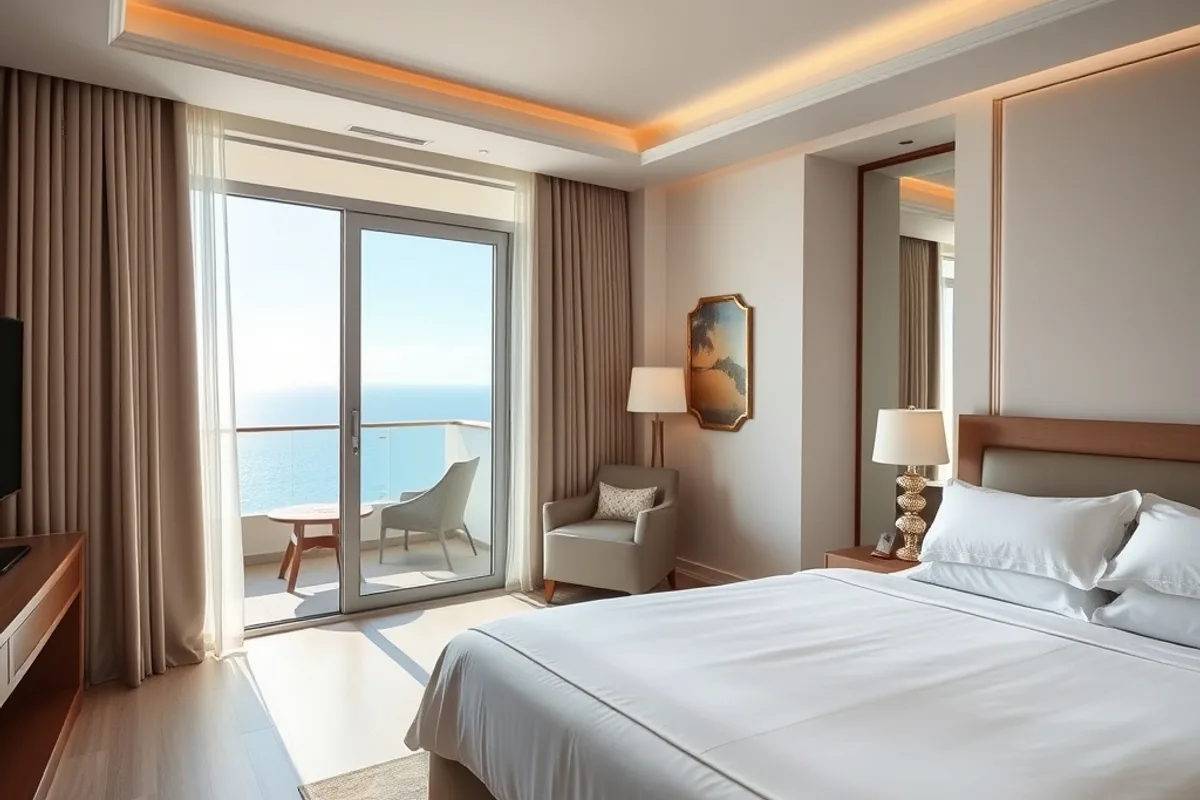
A room is not just a place to sleep. It is where you start and end every day, where you recover from a long walk, and where a view can change the mood of the whole trip. If you plan to spend real time in the hotel, pay for space, quiet and a view. If you will be out from breakfast to midnight, a standard room in the same building is the smarter buy.
Be specific about what the upgrade includes. A "sea view" can mean a full horizon or a slice between two buildings. A "suite" can mean one room with a sofa. Ask for the room number, the floor and the outlook, and check recent guest photos. The difference between a good luxury stay and a disappointing one is usually detail, not category.
Shoulder season is the real luxury discount
The same hotel can cost forty percent less two weeks before or after peak season. The weather is often better for walking, the staff are less rushed, and the destination is quieter. If you can move your dates, this is the single biggest saving available and it does not reduce the quality of the stay.
Check what closes in the shoulder months. Some restaurants, ferries and tours operate on reduced schedules. A hotel may still be open while the town around it is half asleep. That can be wonderful or lonely, depending on what you want. Read recent reviews from the same month, not from July.
Pay for service, not for theatre
Good service is invisible: a fast check-in, a problem solved before you mention it, a recommendation that fits your taste. That is worth money. Theatre is a lobby that looks expensive but a front desk that cannot find your booking. During the booking process, ask a specific question and see how the hotel responds. Clarity beats a glossy gallery.
Breakfast is a useful test. A great hotel breakfast uses local ingredients and is served by people who care. A poor one is a buffet of the same six items in a dark room. If breakfast is included, check whether it is à la carte or a buffet, and whether it finishes at ten. If it is not included, price it before you assume it is convenient.

Where the money is usually wasted
Airport transfers arranged by the hotel are often two to three times the local rate. A licensed taxi or a train is usually fine. The minibar is convenient and rarely good value. Paid Wi-Fi is increasingly rare but still worth checking. The spa can be excellent, but book a treatment you actually want rather than the package that looks like a deal.
Also be sceptical of "exclusive" experiences. A private tour can be worth it for context and access, but a private car to a place you could walk to is just cost. Ask what the tour includes that you could not do alone. If the answer is a queue jump, compare the price with the standard ticket.
Build a trip around one anchor stay
Choose one property that is the reason for the trip, then plan the rest of the journey around it. That might mean two nights in a beautiful hotel and three nights in a simple guesthouse nearby. The contrast makes the luxury feel like an event rather than a baseline you quickly stop noticing.
Use the same logic for flights. A premium cabin on a short daytime flight is rarely worth it. On a long overnight flight, extra space can genuinely change how you feel on arrival. Decide based on the length and timing of the flight, not on the label.

Ask for the right things
Luxury hotels have flexibility that budget hotels do not, but they rarely offer it unless you ask. A quiet room, a late checkout, a table by the window or a small celebration note are often free. Ask politely and specifically at the time of booking, not at the desk after a long day.
Join the hotel's own loyalty programme if you stay more than once. Direct booking sometimes comes with a room upgrade or breakfast, and it makes changes easier. Compare that with the price on an agent site, because the extras can be worth more than the difference.
The bottom line
Luxury travel on a sensible budget is about concentration and honesty. Spend on the room, the location and the few services you will genuinely notice. Travel in shoulder season when you can. Skip the minibar and the hotel transfer. One great stay, planned properly, is worth more than a week of paying for things you do not use.
For official guidance, see UN Tourism luxury and sustainable travel guidance.
Luxury is not more things. It is fewer compromises in the places you actually notice.Sanjuana Herrero Editorial
We cross-check our advice against independent, official sources. For destination and tourism guidance see UN Tourism, and for live travel advisories check your government's foreign office before you book.