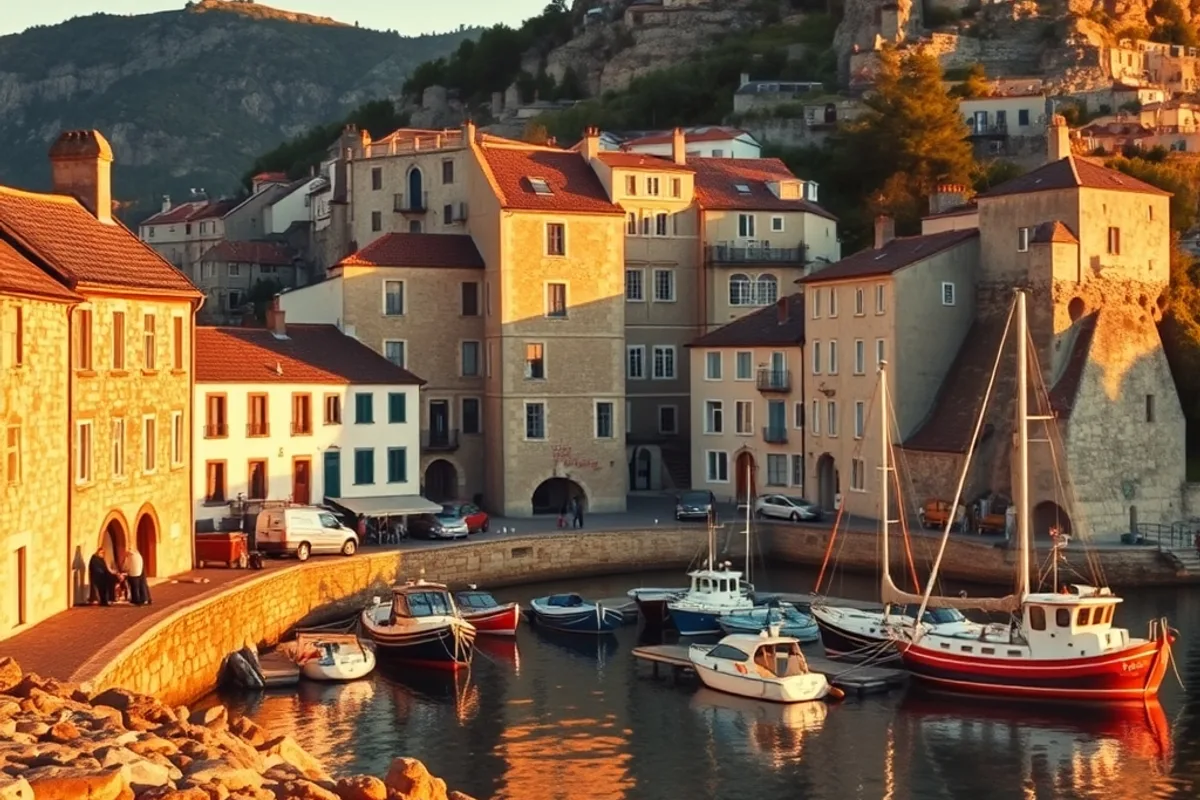
Budget Tourism: How to Travel Well for Less in 2026

Budget travel has a bad reputation in two directions. Either it sounds like misery, or it looks like a contest to spend as little as possible. Neither is useful. The point of a travel budget is to remove money stress so you can pay attention to the place. A cheap trip that leaves you exhausted has not saved anything worth having.
The best budget travellers are not the ones who find the single cheapest bed. They are the ones who spend deliberately: little on the things that do not matter, properly on the things that do. That balance is the whole skill.
Let the calendar do the work
Dates are the largest lever on any travel budget. Moving a trip by two weeks can halve the accommodation cost and reduce flights by a third. Avoid school holidays, public holiday weekends and the peak two weeks of local summer. If you cannot move, book early and accept that the cheap rooms will be gone.
Midweek flights and Tuesday departures are often cheaper than Friday and Sunday. Night trains and overnight buses can save a hotel night, but only if you can actually sleep on them; otherwise you lose the next day. Price the saving against the cost of being tired.

Choose one base instead of three
Every move costs money and time: a transfer, a new key, a wasted afternoon. One base for four nights is usually cheaper and better than three bases in four nights. If you want to see more, take day trips and return to the same bed. You will spend less on transport and more time actually looking at things.
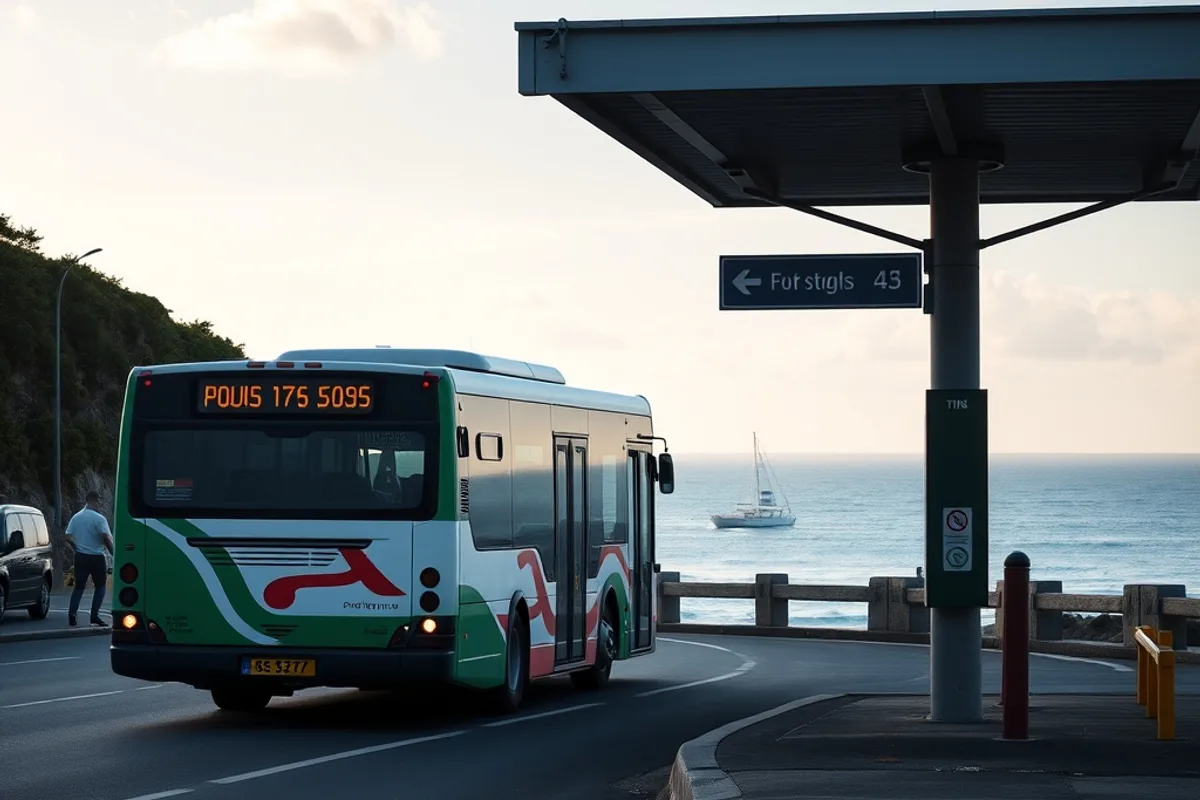
When you do move, use the train or bus rather than a taxi. In many countries, a comfortable intercity bus costs a fraction of a private transfer and the station is closer to the centre than the airport. Check the last service before you book a late arrival.
Eat where the price is written
The cheapest good food is rarely in the restaurant with the most languages on the menu. Look for a short menu, a queue of local customers and prices on the wall. Markets, bakeries and small family places are not a budget compromise; they are often the best meal of the trip. A supermarket picnic in a park can beat a mid-range restaurant.
Set a daily food number that includes coffee, water and snacks. Those small purchases add up more than dinner. Carry a refillable bottle and use public fountains where the water is safe. If you want one special meal, plan it and cut two average ones.
Do the free things first
Every city has a layer of free culture: markets, parks, viewpoints, churches, walking routes and neighbourhoods. Build each day around one paid attraction at most, then fill the rest with things that cost nothing. Museums often have free or reduced days; check the official site rather than a tour seller.
Walking is the best budget transport and the best way to understand a place. Wear comfortable shoes and plan a loop rather than a single long out-and-back. If the city is spread out, buy a day pass only on the days you will use it enough to break even. Do the arithmetic for your own plan.
Where cheap becomes a false economy
A very cheap room far from the centre can cost more once you add daily transport and lost time. A late-night arrival in an unfamiliar area invites an expensive taxi. A bargain flight with a long layover may require an airport meal and a day of your holiday. A cheap tour with a large group can be less informative than a good audio guide.
Spend on sleep, footwear and insurance. Those three affect every day of the trip. Cut the minibar, the airport transfer and the souvenir you will forget. If a saving makes you anxious or uncomfortable, it is probably not a saving.

Use the tools, not the hype
Set price alerts, compare the total journey and book refundable rates when the plan might move. Use an eSIM instead of roaming. Withdraw cash from a bank ATM rather than a currency kiosk. Pay in the local currency when a card terminal offers a choice, unless your bank charges a large conversion fee.
Check whether a city pass saves money for your itinerary. It only works if you use the transport and the included attractions. Otherwise it is a discount on things you did not want. The same goes for package tours: price the individual parts before you accept the bundle.
The bottom line
Budget tourism works when the savings are deliberate. Move your dates, choose one base, eat local food and use public transport. Do the free things first and spend properly on sleep, shoes and insurance. A good cheap trip is not the one with the lowest total. It is the one where you never had to think about money at the wrong moment.

For official guidance, see UN Tourism sustainable tourism information.
Cheap travel is not about spending nothing. It is about paying for the things that make the trip good.Sanjuana Herrero Editorial
We cross-check our advice against independent, official sources. For destination and tourism guidance see UN Tourism, and for live travel advisories check your government's foreign office before you book.