Boutique Hotel vs Chain Hotel: Which One Is Worth It?

The choice between a boutique hotel and a chain is usually framed as taste versus safety. In practice it is a question of what the trip needs. A single night before an early flight and a week in a city you came to explore are different problems, and the same answer is not right for both.
Price is only part of it. The bigger differences are consistency, service style, room size and how easy it is to fix a problem. Once you know which of those matters most, the decision becomes straightforward.
What a chain hotel actually sells
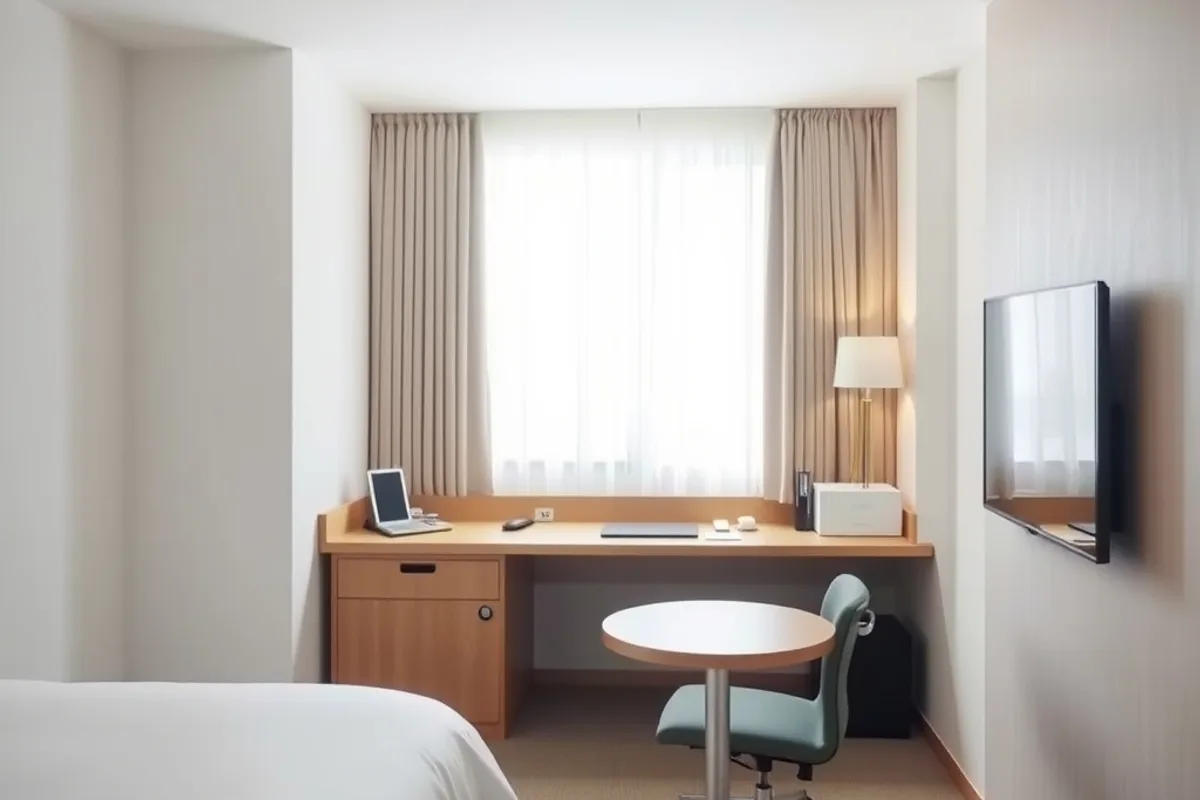
A chain sells predictability. The bed, the shower pressure, the breakfast and the check-in process are designed to be the same everywhere. After a long journey, that reliability is worth real money. Loyalty programmes, late checkout and a known standard for accessibility are genuine benefits, especially on business trips or short stopovers.
The cost is character. Rooms are often smaller and designed for efficiency, public spaces are generic, and the food is safe rather than memorable. That is not a flaw if you plan to spend little time in the hotel. It is a flaw if the hotel is meant to be part of the holiday.
What a boutique hotel actually sells
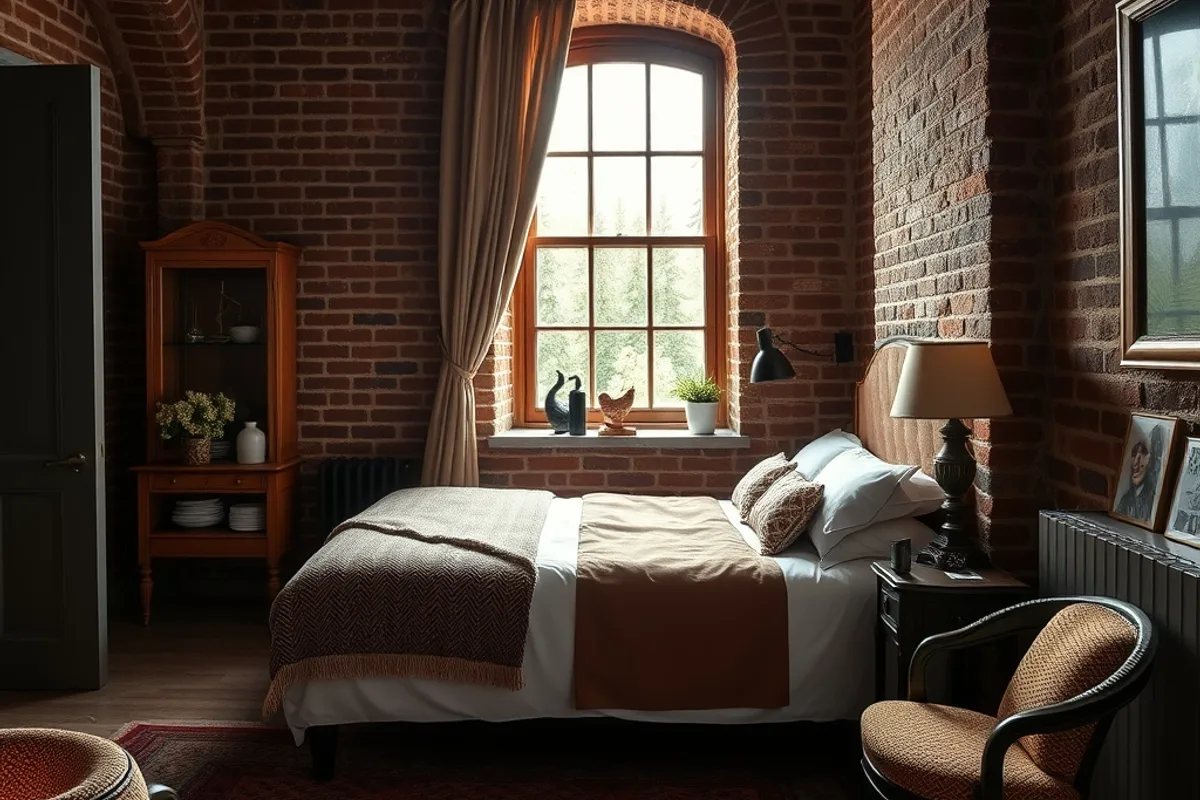
A boutique sells a sense of place. The building has a history, the rooms differ from one another, and the staff are more likely to recommend a local restaurant than a hotel menu. Breakfast is often better, the design is more interesting, and the location can be a residential street rather than a business district.
The trade-off is variance. The same brand can be excellent in one city and tired in another, and independent properties vary even more. Rooms may be smaller than the photographs suggest, lifts may be absent in older buildings, and service depends heavily on who is on shift. You are buying character with less certainty.
Compare the things that are hard to change
Location is the first. A boutique in the right neighbourhood beats a chain by the airport, and the reverse is true on a one-night layover. Room size and bed type are the second. Chain rooms are usually consistent but compact; boutique rooms can be generous or oddly shaped. Read the square metres, not the adjectives.
The third is service model. Chains have systems: a front desk that is always staffed, clear complaint procedures and corporate standards. Boutiques have people. A great host is better than any system, but a thin team can mean no one answers at midnight. Check the reception hours before you book a late arrival.
Price the whole stay, not the room
Breakfast, parking, city tax and cancellation terms can reverse a headline saving. A boutique rate that includes breakfast and flexible cancellation may cost less than a chain rate with neither. Add the extras you will use, then compare. Also check the deposit and the refund timeline, because small properties sometimes hold funds longer.
Read the cancellation policy in the hotel's time zone and note the exact deadline. Independent hotels can be stricter than chains, and a cheap non-refundable rate is a gamble on your own plans. If the trip is fixed, the gamble may be fine. If anything is uncertain, pay for flexibility.
Match the hotel to the trip
For a business trip, a chain near the meeting is usually the right call. For a romantic weekend, a boutique with a good room and a walkable neighbourhood is worth the variance. For a family, check the practical details: lifts, room layout, breakfast speed and whether a cot is genuinely available. For a solo traveller, a small hotel with staffed reception can feel friendlier and safer than an empty apartment block.
Do not choose a boutique just to avoid looking ordinary, and do not choose a chain just to avoid risk. Both are tools. The question is which tool fits this particular week.

How to vet a boutique before booking
Look for recent guest photos, not the official gallery. Read the negative reviews for patterns about noise, hot water, cleanliness and reception hours. Check the exact address on a map and confirm the walk from transport. Message the hotel with a specific question and see how quickly and clearly they reply.
Confirm the room you are getting, not just the category. Ask about the floor, the window and whether the room is above a bar. If the answer is evasive, assume the worst. A good boutique is proud of its details and happy to explain them.
The bottom line
Choose a chain when consistency, points, accessibility and a short stay matter most. Choose a boutique when location, character and a sense of place are the point of the trip. In both cases, compare the total price and the cancellation terms, and read the room details as carefully as the reviews. The right hotel is the one that fits the trip you are actually taking.

For official guidance, see UN Tourism accommodation guidance.
A chain gives you the same room in every city. A boutique gives you a reason to remember this one.Sanjuana Herrero Editorial
We cross-check our advice against independent, official sources. For destination and tourism guidance see UN Tourism, and for live travel advisories check your government's foreign office before you book.