12 Underrated Travel Destinations to Visit in 2026
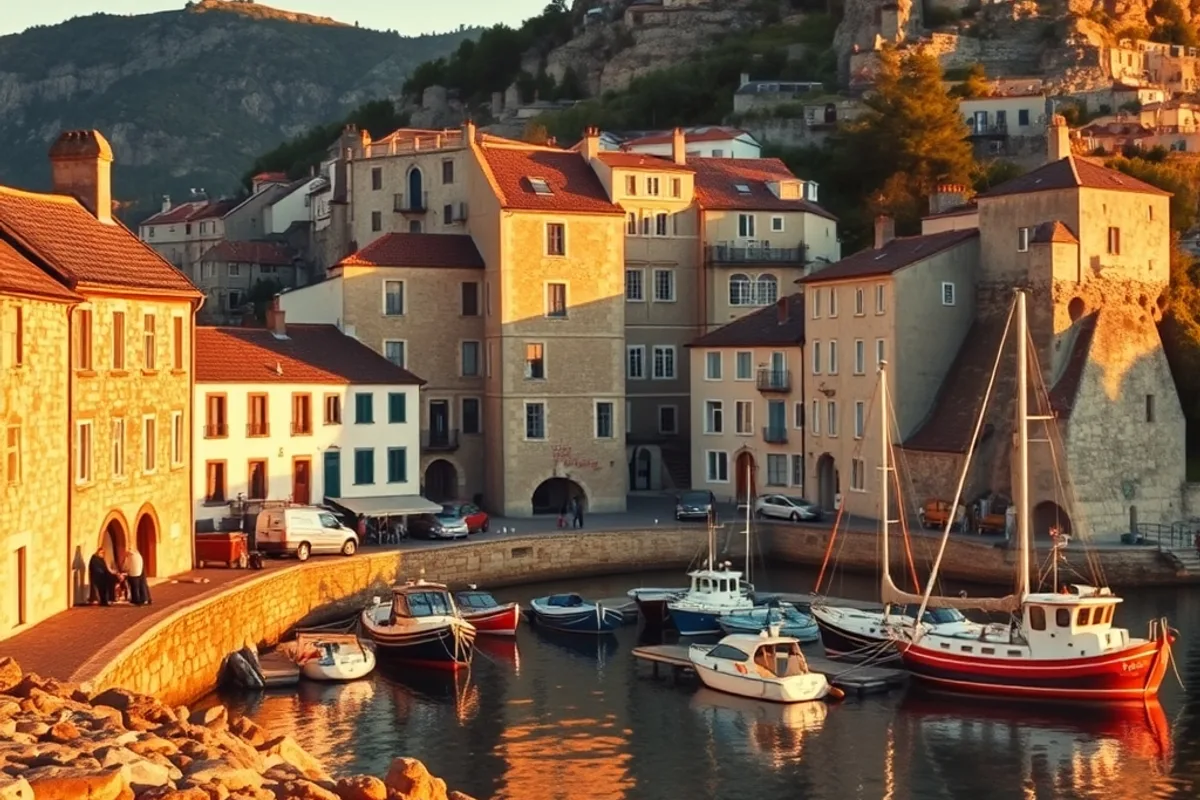
Every year the same handful of cities absorb most of the attention, and every year travellers come home saying they wished they had gone somewhere quieter. The good news is that the world is full of second cities, lesser-known coastlines and islands that never made the front of a guidebook. They are cheaper, calmer and often more memorable. The catch is that they ask a little more planning.
This is not a list of secrets. Most of these places are well known to the people who live there. What they lack is the conveyor belt of direct flights and influencer itineraries that turns a destination into a queue. We picked them for value, character and the realistic amount of effort needed to enjoy them in 2026.
How we chose these destinations
Three filters did most of the work. First, value: the cost of a normal week, not a backpacker's survival budget or a luxury package. Second, seasonality: places that are pleasant outside the peak two weeks when prices triple. Third, accessibility: a sensible route from a major airport, even if it needs one connection.
We also weighted what we call friction. A destination can be beautiful and still be a poor recommendation if every transfer is a negotiation or the only affordable beds are far from the centre. Every entry below is somewhere a first-time visitor can navigate with ordinary research, and we note the main trade-off so you can decide whether it suits you.
1. Secondary cities beat capital cities on value
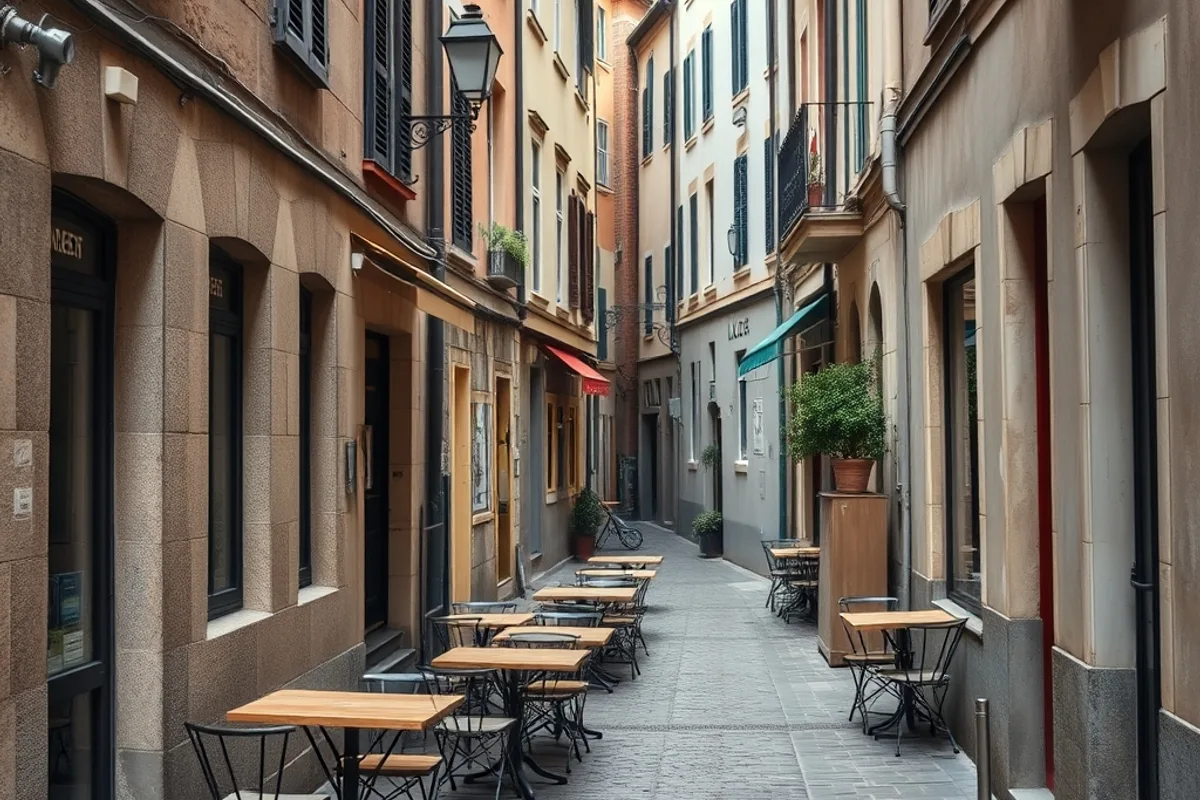
Start with the second city. Porto instead of Lisbon, Valencia instead of Barcelona, Bologna instead of Rome. You get the same food culture, architecture and rail links, usually at twenty to thirty percent less, with fewer tour groups and a more relaxed pace. Museum queues shrink, restaurant reservations become possible, and the city still feels lived in.
The trade-off is that the headline sights are smaller. If this is your only trip to a country and you want the famous monument, go to the famous city. If you want to eat well, walk slowly and pay less, the second city almost always wins. Check rail connections before you book, because a cheap hotel far from the station can erase the saving.
2. Shoulder-season islands reward patience
Mediterranean and Atlantic islands in late May or early October are a different product from August. The sea is still warm, the light is better, the restaurants are run by locals rather than seasonal staff, and rates fall sharply. Ferries run less often, so build your route around the timetable rather than the other way round.
Weather is the risk. A week in October can be perfect or can bring two grey days. Choose an island with enough inland character to survive a washout: a hill town, a market, a spa. Avoid itineraries that depend on a single beach every day, and check whether the ferries you need run on Sundays.
3. Mountain regions are the quiet summer alternative
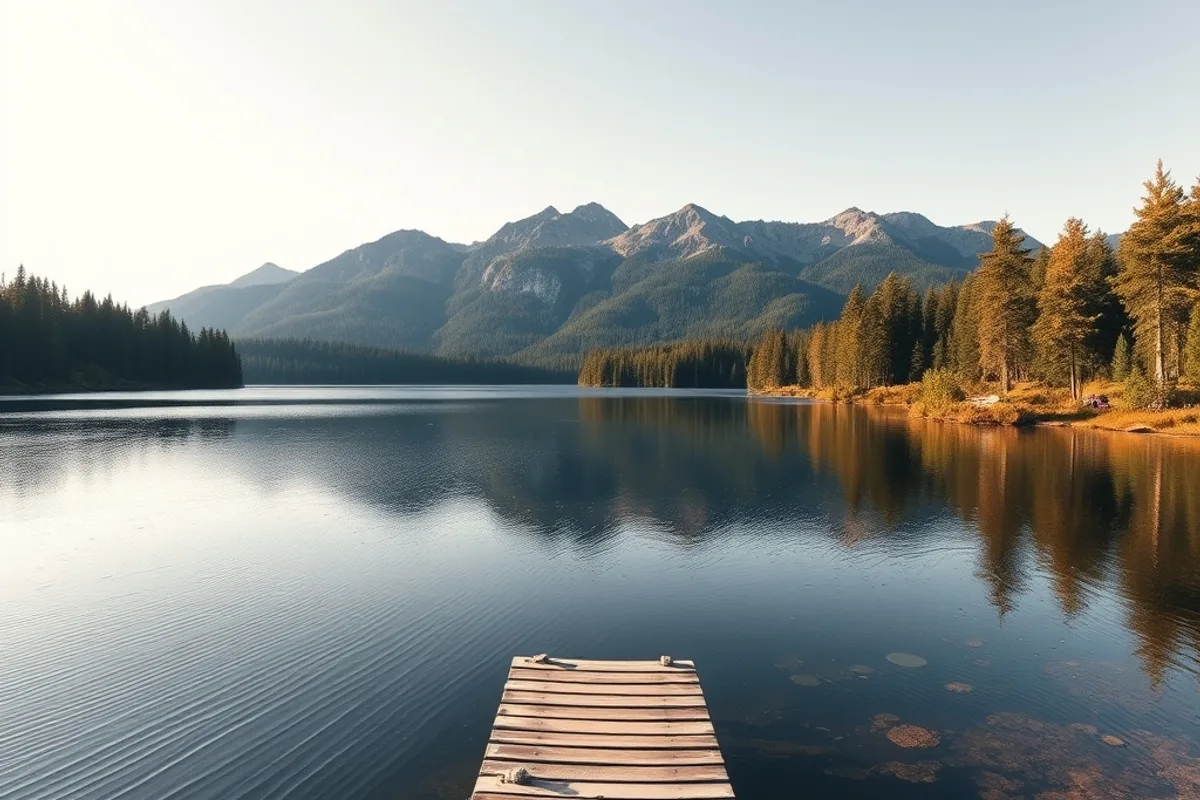
While coastal towns hit capacity, mountain valleys a few hours inland are often half empty in July. Hiking, lakes, local cheese and small guesthouses cost less than a beach hotel, and the heat is easier to manage. The same regions become ski destinations in winter, so summer pricing is genuinely lower rather than a discount on an inflated peak rate.
You need a car or a reliable bus for the best of it. That is the main cost and the main constraint. If you are not comfortable on winding roads, pick a valley with a train station and use local buses. Book accommodation near a village rather than isolated, because a remote cabin with no shop nearby stops feeling romantic on day three.
4. Emerging food cities offer the best daily value
Some of the best-value trips in 2026 are food cities that have not yet priced themselves like capitals. Think regional capitals in Georgia, northern Portugal, southern Italy or parts of Southeast Asia where a long lunch still costs less than a museum ticket in London. The pleasure is not only cheap food. It is eating in places designed for local customers, where the menu changes with the market.
Go with an appetite and a little flexibility. Learn five words of the language, ask what is in season, and avoid the one street where every menu has photographs. The best meal is often a small place with a short menu and a queue of people who live nearby. Book accommodation within walking distance of the market district and let lunch decide the rest of the day.
5. Rail-friendly regions make short trips easier
Regions with dense rail networks are ideal for a four- or five-day break because you can see three towns without hiring a car. You sleep in one base, take day trips, and keep the luggage light. The saving is not only the car rental. It is the time and stress you avoid finding parking in a medieval centre.
Pick a hub with a direct airport link, then choose two towns within forty minutes by train. Avoid a new hotel every night; the packing and check-in overhead eats a day. A single base with three day trips usually beats three rushed bases. Check the last train time before booking dinner, because rural services finish early.
6. Desert and dry regions have a real season
Deserts and arid regions are spectacular in the right month and punishing in the wrong one. Late autumn through early spring brings cool nights, clear skies and comfortable walking. Summer is not a bargain, it is a health risk. Prices follow the weather, so travel just outside the comfortable window and expect fewer services, not a hidden deal.
Distances are larger than they look on a map. Fuel up whenever you can, carry more water than feels necessary, and tell your accommodation your arrival time. A desert trip can be the most memorable week of the year or a series of long drives. It depends almost entirely on how honestly you plan the logistics.

7. How to build a route that fits your budget
Choose one region rather than three countries. Pick a base for at least three nights, then add one or two short hops. Book the long transport first, because that is where the money and the risk sit, then fill in accommodation around it. Leave one day unplanned for weather or a recommendation from someone local.
Before you book, price the whole week: transport, beds, food, entry fees and a buffer of about fifteen percent. Compare that number with a familiar destination rather than with an imaginary ideal. Often the underrated place wins by a clear margin. When the gap is small, choose the destination you actually want to see, not the one that merely looks cheaper on paper.
8. The bottom line
Underrated does not mean undiscovered, and it does not mean difficult. It means a destination where your money buys more time and space, and where the trip is not shaped entirely by other visitors. Pick one place from this list, give it enough nights to breathe, and resist the urge to add a second country. The point of going somewhere quieter is to actually be there.
For official guidance, see UN Tourism destination and sustainability data.
The best destination is rarely the one everyone is posting this week. It is the one that still feels like itself.Sanjuana Herrero Editorial
We cross-check our advice against independent, official sources. For destination and tourism guidance see UN Tourism, and for live travel advisories check your government's foreign office before you book.